
“Life is not over because you have diabetes. Make the most of what you have , be grateful”
-DALE EVANS
Work smart
Success is earned, one step at a time. One of the most invaluable skills a person can have is being able to clearly express what they want.
Work hard
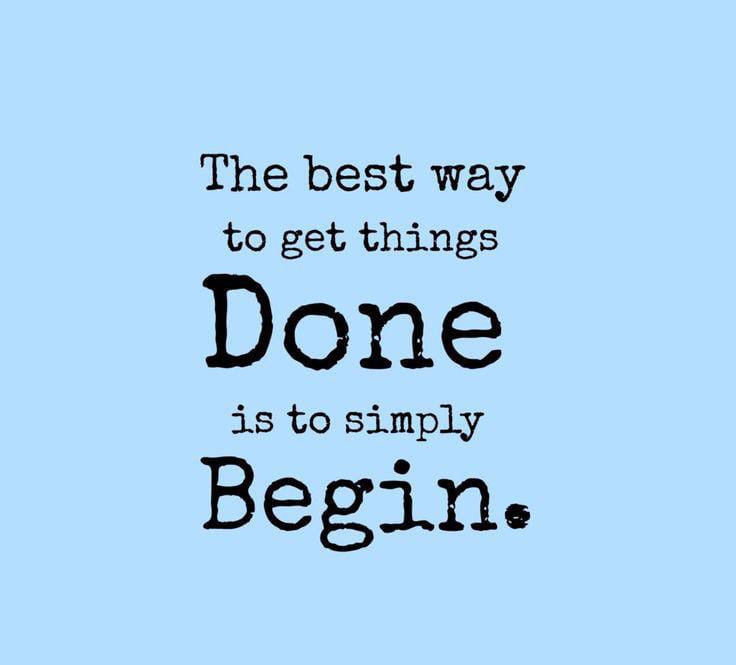
Sometimes the hardest part of finding success is gathering the courage to get started. As long as you’re learning, you’ll never really fail.
Sweet success
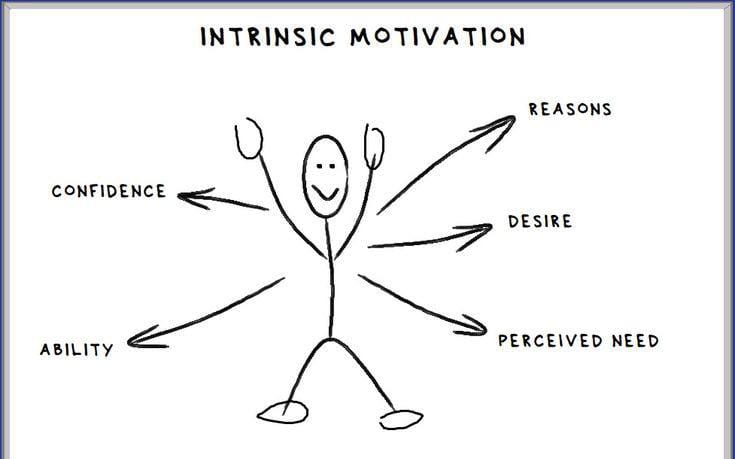
The most successful people don’t look back to see who’s watching. Look for opportunities to lift others up along the way.
-
Navigating Diabetes: Types, Causes, Symptoms, and Personal Insights.
Diabetes, a condition that affects millions worldwide, is a complex and multifaceted challenge. From its various types to the symptoms that manifest, understanding diabetes is crucial for effective management. In this blog post, we’ll explore the different types of diabetes, their causes, symptoms, and provide a personal perspective from someone who navigates this journey firsthand.
-
Navigating Hyperglycemia vs. Hypoglycemia: A Comprehensive Comparison
Hyperglycemia and hypoglycemia are two distinct conditions that individuals with diabetes often encounter. These fluctuations in blood sugar levels can have a significant impact on overall health and well-being. In this blog post, we will delve into the differences between hyperglycemia and hypoglycemia, their causes, symptoms, and essential management strategies. Understanding Hyperglycemia and Hypoglycemia:Hyperglycemia refers
-
Navigating Hyperosmolar Hyperglycemic Nonketotic Syndrome (HHNS): A Vital Guide.
Hyperosmolar Hyperglycemic Nonketotic Syndrome (HHNS), though less talked about than other diabetes-related complications, is a serious condition that demands attention and awareness. Individuals with type 2 diabetes, especially older adults, are at greater risk of developing HHNS. In this blog post, we will delve into the causes, symptoms, prevention, and management of HHNS, equipping you
Frequently Asked Questions
I gathered the answers to some popular questions below. If you can’t find your question below feel free to contact me, and I’ll be happy to help.
What is diabetes and how does it affect my body?
Diabetes is a chronic condition that affects how your body processes glucose. It can lead to high blood sugar levels, which, if not managed, can cause various health issues over time.
What should I eat and avoid as a diabetic?
A balanced diet rich in vegetables, lean proteins, whole grains, and healthy fats is recommended. It’s important to limit sugary and highly processed foods.
How often should I check my blood sugar levels?
Blood sugar checks frequency varies depending on your type of diabetes and your treatment plan. Medications or insulin help regulate blood sugar levels. They work by either increasing insulin production or improving its effectiveness.
Should I inform others about my diabetes and what should they know?
Informing close friends, family, and colleagues about your diabetes can be helpful in case of emergencies. Knowing the signs of high and low blood sugars as well as how to respond to them is a good place to start when informing others about your diabetes . they should know how to assist you if needed.
What are the different types of diabetes?
There are primarily four types of diabetes: Type 1, Type 2, gestational and pre-diabetes. Each type has different causes and management approaches .
What are the signs and symptoms of low or high blood sugar.
Low blood sugar (hypoglycemia) symptoms include shakiness, confusion, sweating, and irritability. High blood sugar (hyperglycemia) may lead to excessive thirst, frequent urination and fatigue. However the symptoms for low and high blood sugar are frequently mistaken, often leading to confusion.
How can stress and emotional well-being impact my diabetes?
Stress can affect blood sugar levels. Managing stress through relaxation techniques and support is important for diabetes management.
What should I do in the case of an emergency related to my diabetes?
In the case of emergency, always have a plan to threat low and high blood sugar levels . Such as; fast-acting glucose sources for low blood sugar. If severe, seek medical help.
How can I manage my blood sugar levels effectively?
Managing blood sugar levels involves a combination of healthy eating, regular physical activity, medication (if prescribed) and monitoring blood sugar levels. Physical activity helps improve insulin sensitivity and lowers blood sugar levels .
Can diabetes be prevented or reversed?
While some risk factors for diabetes can’t be changed, a healthy lifestyle with a proper diet and exercise can help prevent or manage the condition
Can I drink alcohol or consume sweets in moderation?
Moderate alcohol consumption and occasional sweets are acceptable, but it’s best to consult your healthcare provider about what is safe for you.
How often should I visit my healthcare provider for diabetes management?
Regular check-ups with your healthcare provider are essential for monitoring your diabetes management and making the necessary adjustments. Diabetes can lead to complications affecting the heart, eyes, kidneys, and more. Good management can reduce the risk of these complications.
Famous Quotes About Diabetes.
“Diabetes is not curable. It’s sustainable.”
-Alvin leung.
“Diabetes taught me discipline.”
-Sonia Sotomayor
“We have diabetes. It gets to come along with us, it doesn’t get to stop us.”
-Chris Olsen
“I CAN DO ALL THINGS THROUGH CHRIST WHO STRENGTHENS ME.”
-King James Bible; Philippians 4:13

Hear from a fellow diabetic.
“Diabetes does not define me but it helps shape who I am. However, I am not limited by it .”

Diabeticgirl
Diagnosed for eight years and counting.
7
Insight & Motivational Blogs.
0
Recipe & Exercise Blogs.
537,000,0000
Diabetics Globally.
To see all posts; click the second navigation button (=).
This newsletter is packed with awesome deals. Don’t miss them!
Subscribe to this newsletter for cool tips, campaigns and new things.
 Diabeticgirl